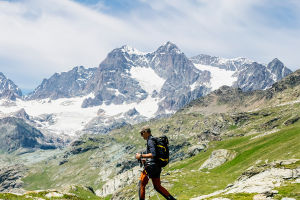
Hi Lykkers and friends, when we step into high mountain environments for an overnight stay, everything feels different. The air is cooler, the sky looks closer, and the silence is deeper than in everyday surroundings. While the scenery can be truly impressive, the conditions also require careful preparation.
In these elevated areas, weather can change quickly, and the ground is rarely as stable or predictable as in open flat land. That is why we always need to think ahead before choosing where and how to spend the night outdoors.
Choosing the Right Ground
One of the most important decisions is selecting a suitable surface for setting up shelter. We should look for areas that are relatively flat and stable. A gently sloping surface can sometimes work, but steep or uneven terrain is not a good choice because it increases the chance of sliding or instability during the night.
It is also helpful to check the ground carefully for loose stones or signs of erosion. Areas with too much shifting soil or visible water flow patterns should be avoided, as they may become unsafe after rain or wind.
Avoiding Risky Locations
Certain natural formations are better left unused for overnight stays. Deep valleys, for example, can collect water quickly if rainfall increases, making exit routes difficult. High ridges or exposed summits may feel open and scenic, but they are often exposed to strong wind conditions that can affect comfort and stability. Dense woodland areas also require caution. Thick vegetation can limit visibility and make movement harder in low light conditions. Choosing a space with some openness helps maintain awareness of surroundings while still offering natural shelter.
Planning Near Water and Vegetation
Access to water is important, but distance matters just as much as proximity. A good location is close enough for convenience, yet not directly downstream where water may accumulate during heavy rain.
Light vegetation nearby can provide natural wind protection, but it is better to avoid overly dense forest zones. This balance allows us to stay comfortable while still having a clear path for movement if needed.
Cooking and Warm Meals in Remote Areas
In high mountain environments, managing meals requires simple and safe methods. Open flame use should be handled carefully and only when conditions are stable. In many cases, portable heating devices or prepared meals that require minimal preparation are more practical options.
For group trips, sharing equipment can help reduce load and improve efficiency. Keeping food preparation simple also allows more time to focus on rest and safety.
Setting Up a Stable Shelter
A secure shelter setup is essential for a calm night. The structure should be firmly anchored using ground supports and reinforced with natural weight such as stones when appropriate. This helps improve stability in changing wind conditions.
Positioning also matters. The entrance should face away from strong wind direction when possible, and all fastening points should be checked carefully before resting. Small adjustments can make a significant difference in comfort.
Weather Awareness and Clothing Choices
Temperature in elevated areas can drop quickly after sunset. Preparing layered clothing designed for warmth retention and quick drying is very helpful. This allows us to adjust easily as conditions shift.
Before starting the journey, it is useful to check expected nighttime conditions. Being aware of temperature changes helps us pack more effectively and avoid discomfort later in the evening.
Group Safety and Night Routine
When traveling with others, it is helpful to set a shared area boundary so everyone understands the main activity zone. Keeping sleeping setups within a reasonable distance supports communication and coordination.
Before resting, all light or heat sources should be safely managed and fully controlled. This simple habit helps maintain a calm and organized environment throughout the night.
Handling Sudden Weather Changes
Weather in mountain regions can shift unexpectedly. If heavy rain begins, it is better to move away from low-lying areas and seek higher, more stable ground if possible. Avoid staying in valley bottoms during intense rainfall conditions. If movement is not possible, finding a stable rock shelter or naturally protected space is a better option than staying in open exposed ground. After rainfall, routes should be checked carefully, and moving along higher ridgelines can help with orientation and navigation.
High mountain overnight stays offer a unique chance to connect with nature, enjoy clear skies, and experience peaceful surroundings. At the same time, they require thoughtful preparation and awareness of environmental changes.
Lykkers, have you ever experienced a night in a high elevation setting? What surprised you the most—the quiet, the view, or the changing conditions? Share your thoughts and experiences, and let’s continue learning how to enjoy nature in a more mindful and balanced way.