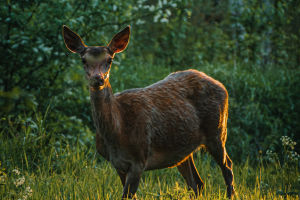
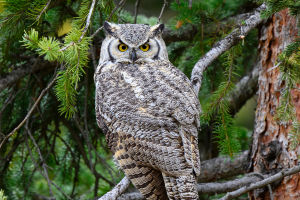
One evening, a farmer notices footprints along the edge of a field that weren't there the day before. In a nearby town, residents wake to overturned bins and startled pets.
These moments aren't rare or dramatic—they're everyday signs of human-wildlife conflict. As people expand into natural areas, encounters become more common.
The challenge isn't choosing sides, but finding practical ways for people and wildlife to share space without constant tension.
Why Human-Wildlife Conflict Happens
Most conflict starts with overlapping needs. Animals aren't wandering into human areas randomly; they're responding to opportunity or pressure.
1. Shared resources
Water sources, shelter, and food attract both humans and wildlife. Actionable step: identify what's drawing animals in, such as open waste areas or unprotected crops, and address that first.
2. Habitat changes
Development can reduce natural foraging areas. Actionable step: support land-use planning that keeps green buffers between settlements and wildlife zones.
3. Seasonal movement
Animals follow seasonal patterns that don't align with property lines. Actionable step: learn local wildlife calendars so preventive measures are in place before peak movement periods.
Prevention Works Better Than Reaction
Once conflict starts, stress rises on both sides. Prevention keeps situations from escalating.
1. Secure attractants
Unsecured waste and feed are major triggers. Actionable step: use wildlife-resistant bins and store supplies in sealed containers.
2. Physical barriers
Simple barriers can be highly effective when designed correctly. Actionable step: install fencing suited to local species rather than relying on one-size-fits-all solutions.
3. Predictable routines
Irregular human activity can confuse animals. Actionable step: keep consistent schedules for outdoor activities to reduce surprise encounters.
Community Action Reduces Risk
Individual effort matters, but coordinated action multiplies results.
1. Shared guidelines
When everyone follows the same practices, animals don't learn mixed signals. Actionable step: work with neighbors to agree on waste handling and outdoor lighting standards.
2. Local reporting systems
Early reporting helps address issues before they spread. Actionable step: use official channels to report repeated sightings or damage patterns.
3. Education and awareness
Understanding behavior reduces fear-based reactions. Actionable step: attend or organize a local workshop with wildlife experts.
Non-Harmful Deterrents That Actually Help
Deterrents should encourage animals to move on, not panic or adapt aggressively.
1. Natural cues
Many animals avoid unfamiliar textures or sounds. Actionable step: use motion-activated lights or scent-based repellents approved by conservation agencies.
2. Landscape design
Smart design makes areas less appealing. Actionable step: plant species that don't attract foraging near homes and paths.
3. Habituation avoidance
Animals quickly learn patterns. Actionable step: rotate deterrents every few weeks so they don't lose effectiveness.
When Direct Encounters Happen
Even with prevention, encounters still occur. How people respond makes a big difference.
1. Calm behavior
Sudden movements can escalate stress. Actionable step: pause, create space, and avoid blocking the animal's exit path.
2. Distance matters
Closer isn't better, even for photos. Actionable step: use visual markers like trees or fences to keep a safe buffer.
3. Know who to call
Handling situations alone can backfire. Actionable step: save local wildlife response numbers on your phone in advance.
Long-Term Solutions Focus on Coexistence
Lasting progress comes from planning, not quick fixes.
1. Habitat restoration
Healthy ecosystems reduce pressure on human areas. Actionable step: support restoration projects that rebuild natural feeding and shelter zones.
2. Policy support
Clear guidelines help everyone respond consistently. Actionable step: engage in public discussions when wildlife management plans are reviewed.
3. Shared responsibility
Conflict isn't caused by one group alone. Actionable step: encourage schools and community groups to include coexistence practices in their programs.
Human-wildlife conflict often feels personal when it shows up at your door or field, but it's rarely intentional on either side. Most animals are simply following instincts shaped long before roads and houses existed. When people respond with planning, patience, and cooperation, conflict shifts into coexistence. The goal isn't a landscape without wildlife—it's one where daily life makes room for others who were there first.